Five Lessons from the Melges 24: Why Team Culture Beats Boat Speed
We just wrapped up a Melges 24 campaign that taught us more about team dynamics than any individual regatta result ever could. The lessons weren't about boat speed or tactics—they were about the human elements that either make or break a crew. Here's what we learned, and how you can apply it to your own sailing.
The Problem: When Roles Blur, Mistakes Multiply
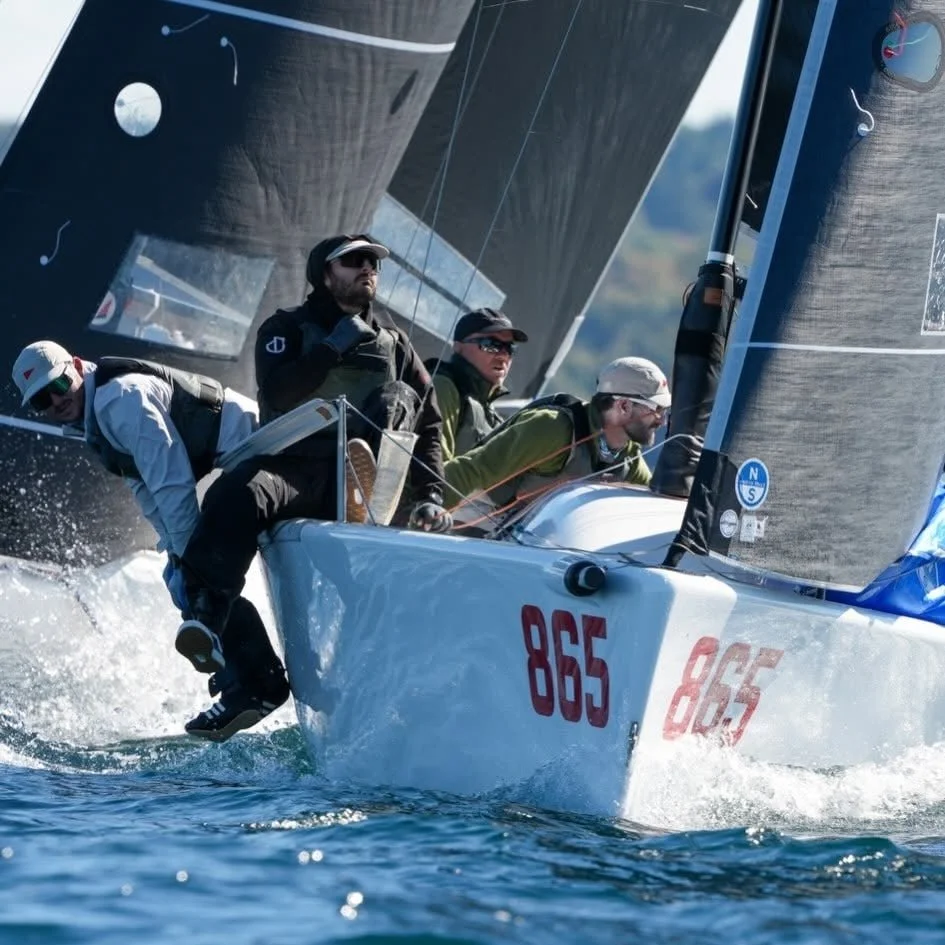
On a five-person boat like the Melges 24, there's a constant temptation to freelance. Someone sees a task that needs doing, jumps on it, and suddenly their own responsibilities get forgotten. Or worse, two people do the same job while something critical gets missed entirely. We've all been there—the pre-start chaos where nobody's quite sure if the spinnaker sheets are run correctly because everyone assumed someone else checked.
Jordan put it simply: "Routines, routines, routines. Especially on a five-person boat, everybody has a role, and some of them may be smaller than others. But when you don't stick to your role and stick to your jobs, that's when things get forgotten. More mistakes happen."
What We Learned
1. Stick to Your Routine—Every Single Time
This sounds obvious until you're in the heat of competition. Grant elaborated on why consistency matters: "I think it's important to have routines where everybody's doing the same thing every single time, so that nothing gets left behind."
The key insight here is that routines aren't about rigidity—they're about creating mental bandwidth. When your pre-race checklist is automatic, you free up cognitive resources for the decisions that actually require judgment.
2. Trust Your Teammates to Do Their Jobs
On the Melges 24, the race course naturally divides the crew. As Jordan explained, "The upwind team and the speed team are very different than the tactical team. You just need to trust your teammates to do their jobs in certain parts of the races, especially when you have your heads down."
This is particularly relevant for bow work and trimming, where you literally can't see what's happening at the back of the boat. The alternative—constantly second-guessing your tactician while you're trying to execute a gybe set—leads to neither job getting done well.
3. Pick Up Slack Without Creating Drama
Here's where it gets nuanced. Routines are essential, but people are human. Sometimes things don't get done. Grant offered a framework for handling these moments: "If something hasn't gotten done and you recognize that, you can either do a gentle reminder, often in the form of a question, or you can just do it. And if you're the one whose job it was and somebody else did it for you—that's not the moment to be upset or think 'this person's trying to take my job.' It's a moment to be like, 'I forgot that, I better be more on top of it next time.'"
The theme, as Grant summarized: "We're not trying to present that someone made an error. We're just getting things done when they need to get done."
4. Culture Beats Talent
Jordan made a claim that might sound controversial but rings true from our experience: "You're gonna have an amazing team, but if the culture is bad, and people aren't getting along, and there's drama and egos involved—it'll be worse than a team of some pretty bad sailors. Set the tone right and set it early."
What does good culture actually look like in practice? Jordan defined it clearly: "A successful team culture looks like an environment where the bow people can speak their mind to the tactician and the owner, and the tactician and the owner can speak their mind to the bow people. Every piece of criticism is constructive, and there's no ulterior or second meaning to things."
5. Keep It Light
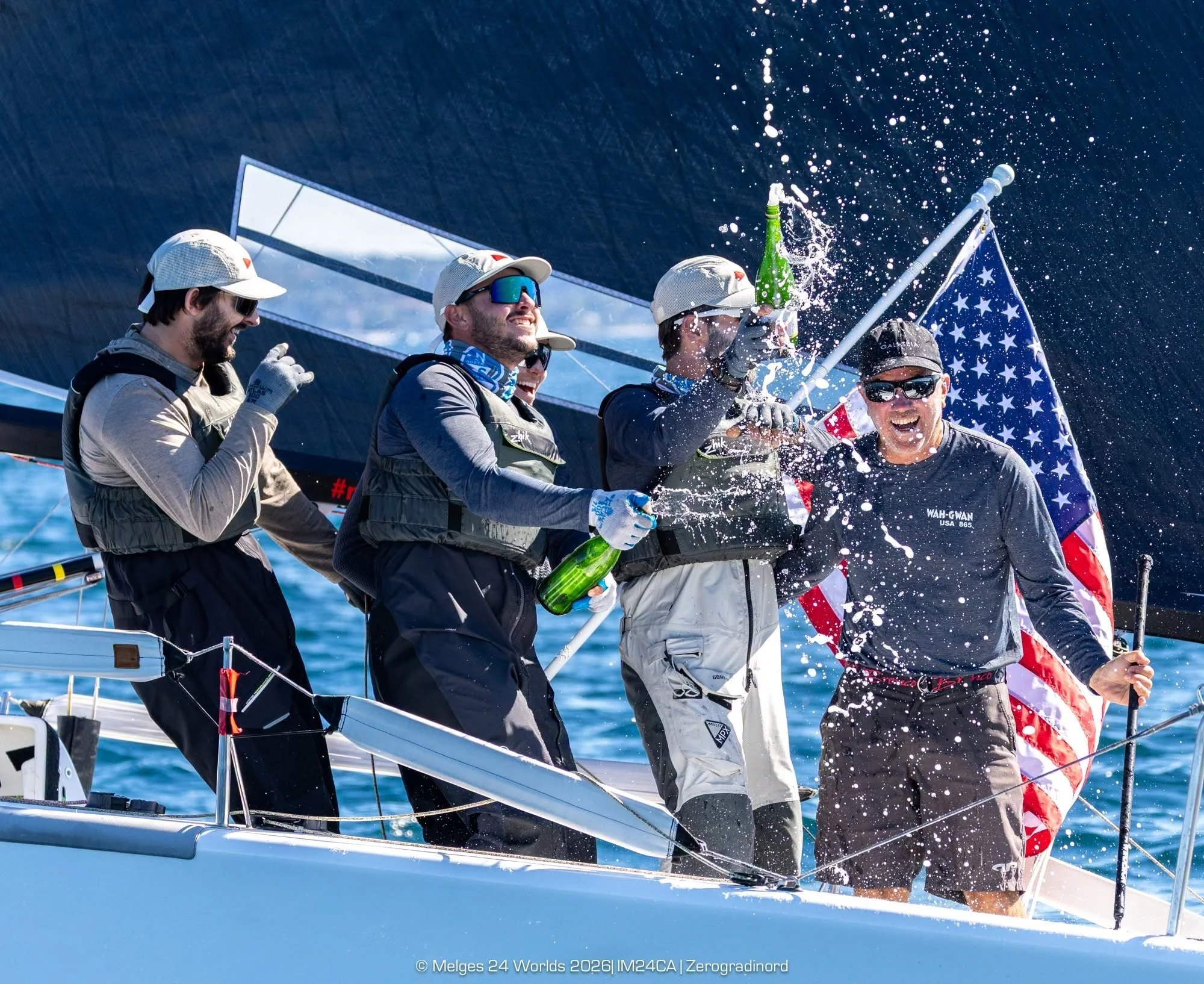
Perhaps our favorite lesson: "Even world champions eat ice cream every night."
Jordan shared that their world champion crew members cracked open chocolate ice cream nightly, with gummy bears consumed "like water." High performance doesn't require monastic suffering. In fact, the teams that sustain excellence over time usually know how to enjoy the journey.
How to Apply It
Here's what you can take to your next practice or regatta:
- Write down your routines. Create a pre-race checklist that assigns every task to a specific person. Review it together before the first race of each day.
- Define role boundaries. Have an explicit conversation about who owns what decisions. When does the trimmer speak up about tactics? When does the tactician weigh in on trim? Clear boundaries create freedom, not restriction.
- Practice the "gentle reminder" technique. When something's missed, try framing it as a question: "Hey, did we get the backstay tensioned?" It accomplishes the same goal without creating defensiveness.
- Debrief the process, not just the results. After races, talk about how the team functioned—not just whether you made the layline. Did everyone feel heard? Were roles clear?
- Build in fun. Whether it's post-sailing snacks, team dinners, or just good music on the way to the venue—don't make sailing feel like punishment. The best crews genuinely enjoy spending time together.
"It's kind of a positive cycle. If you set it right from the beginning, people will be happier and performance will be better." — Jordan Janov
We're still learning. Every regatta surfaces new challenges, and team dynamics evolve as crews spend more time together. But these fundamentals—routines, trust, culture, and keeping it light—form the foundation everything else builds on.
Now if you'll excuse us, we have some chocolate ice cream to attend to.
We just wrapped up a Melges 24 campaign that taught us more about team dynamics than any individual regatta result ever could. The lessons weren't about boat speed or tactics—they were about the human elements that either make or break a crew. Here's what we learned, and how you can apply it to your own sailing.
The Problem: When Roles Blur, Mistakes Multiply
On a five-person boat like the Melges 24, there's a constant temptation to freelance. Someone sees a task that needs doing, jumps on it, and suddenly their own responsibilities get forgotten. Or worse, two people do the same job while something critical gets missed entirely. We've all been there—the pre-start chaos where nobody's quite sure if the spinnaker sheets are run correctly because everyone assumed someone else checked.
Jordan put it simply: "Routines, routines, routines. Especially on a five-person boat, everybody has a role, and some of them may be smaller than others. But when you don't stick to your role and stick to your jobs, that's when things get forgotten. More mistakes happen."
What We Learned
1. Stick to Your Routine—Every Single Time
This sounds obvious until you're in the heat of competition. Grant elaborated on why consistency matters: "I think it's important to have routines where everybody's doing the same thing every single time, so that nothing gets left behind."
The key insight here is that routines aren't about rigidity—they're about creating mental bandwidth. When your pre-race checklist is automatic, you free up cognitive resources for the decisions that actually require judgment.
2. Trust Your Teammates to Do Their Jobs
On the Melges 24, the race course naturally divides the crew. As Jordan explained, "The upwind team and the speed team are very different than the tactical team. You just need to trust your teammates to do their jobs in certain parts of the races, especially when you have your heads down."
This is particularly relevant for bow work and trimming, where you literally can't see what's happening at the back of the boat. The alternative—constantly second-guessing your tactician while you're trying to execute a gybe set—leads to neither job getting done well.
3. Pick Up Slack Without Creating Drama
Here's where it gets nuanced. Routines are essential, but people are human. Sometimes things don't get done. Grant offered a framework for handling these moments: "If something hasn't gotten done and you recognize that, you can either do a gentle reminder, often in the form of a question, or you can just do it. And if you're the one whose job it was and somebody else did it for you—that's not the moment to be upset or think 'this person's trying to take my job.' It's a moment to be like, 'I forgot that, I better be more on top of it next time.'"
The theme, as Grant summarized: "We're not trying to present that someone made an error. We're just getting things done when they need to get done."
4. Culture Beats Talent
Jordan made a claim that might sound controversial but rings true from our experience: "You're gonna have an amazing team, but if the culture is bad, and people aren't getting along, and there's drama and egos involved—it'll be worse than a team of some pretty bad sailors. Set the tone right and set it early."
What does good culture actually look like in practice? Jordan defined it clearly: "A successful team culture looks like an environment where the bow people can speak their mind to the tactician and the owner, and the tactician and the owner can speak their mind to the bow people. Every piece of criticism is constructive, and there's no ulterior or second meaning to things."
5. Keep It Light
Perhaps our favorite lesson: "Even world champions eat ice cream every night."
Jordan shared that their world champion crew members cracked open chocolate ice cream nightly, with gummy bears consumed "like water." High performance doesn't require monastic suffering. In fact, the teams that sustain excellence over time usually know how to enjoy the journey.
How to Apply It
Here's what you can take to your next practice or regatta:
- Write down your routines. Create a pre-race checklist that assigns every task to a specific person. Review it together before the first race of each day.
- Define role boundaries. Have an explicit conversation about who owns what decisions. When does the trimmer speak up about tactics? When does the tactician weigh in on trim? Clear boundaries create freedom, not restriction.
- Practice the "gentle reminder" technique. When something's missed, try framing it as a question: "Hey, did we get the backstay tensioned?" It accomplishes the same goal without creating defensiveness.
- Debrief the process, not just the results. After races, talk about how the team functioned—not just whether you made the layline. Did everyone feel heard? Were roles clear?
- Build in fun. Whether it's post-sailing snacks, team dinners, or just good music on the way to the venue—don't make sailing feel like punishment. The best crews genuinely enjoy spending time together.
"It's kind of a positive cycle. If you set it right from the beginning, people will be happier and performance will be better." — Jordan Janov
We're still learning. Every regatta surfaces new challenges, and team dynamics evolve as crews spend more time together. But these fundamentals—routines, trust, culture, and keeping it light—form the foundation everything else builds on.
Now if you'll excuse us, we have some chocolate ice cream to attend to.